Professional Development for CS Teachers: What Really Works?
A comprehensive guide to effective professional development for Computer Science teachers, focusing on foundational skills, pedagogy, collaboration, and implementation strategies.
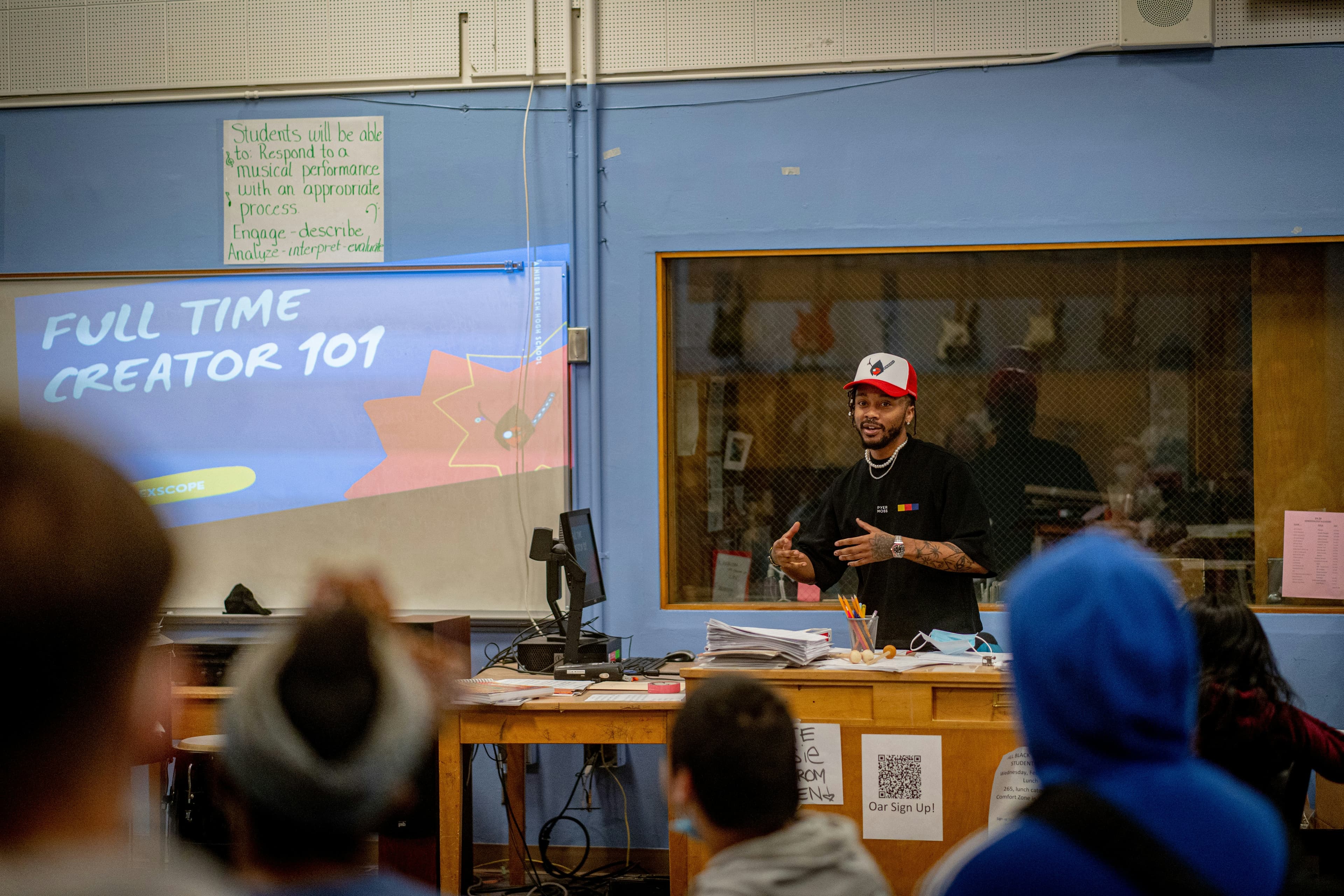
The digital landscape is evolving at warp speed. As Computer Science (CS) educators, we’re tasked with preparing students for a future that’s not just technologically advanced, but also ethically sound, creatively driven, and globally interconnected. This responsibility demands continuous professional growth, a journey of lifelong learning that keeps us at the forefront of innovation and pedagogy. But with a deluge of workshops, conferences, online courses, and webinars vying for our attention, how do we sift through the noise and identify professional development (PD) opportunities that truly make a difference?
This article isn't just another list of PD options. It's a deep dive into what actually works, based on experiences, research, and conversations with CS teachers around the globe. We'll explore the types of PD that have the most impact, how to advocate for the right opportunities, and how to implement what you learn in your classroom.
Beyond the Buzzwords: Focusing on Foundational Skills
While shiny new technologies and trendy coding languages often dominate PD offerings, it's crucial to remember the foundational skills that underpin all of computer science. Focusing on these fundamentals provides a solid base for understanding future advancements and allows us to adapt to the ever-changing tech world.
Deepening Algorithmic Thinking: This isn't just about knowing algorithms; it's about understanding why they work, their limitations, and how to adapt them to solve novel problems. Look for PD that focuses on:
- Algorithm Analysis: Understanding time and space complexity, big-O notation, and how to optimize algorithms.
- Design Patterns: Learning common solutions to recurring problems in software design, allowing for more efficient and maintainable code.
- Data Structures Mastery: Gaining a deeper understanding of how different data structures (arrays, linked lists, trees, graphs) work and when to use them.
- Practical Application: Workshops that involve coding challenges, simulations, and real-world problem-solving scenarios.
Strengthening Problem-Solving Skills: Computer science is, at its core, about problem-solving. Effective PD in this area should go beyond rote memorization and focus on developing critical thinking skills.
- Decomposition: Breaking down complex problems into smaller, more manageable parts.
- Abstraction: Identifying essential details and ignoring irrelevant information.
- Pattern Recognition: Recognizing recurring patterns in problems and applying known solutions.
- Algorithm Design: Creating step-by-step instructions to solve a problem.
- Debugging: Identifying and fixing errors in code.
Elevating Code Literacy: It's not enough to just write code; we need to write good code. PD focused on code literacy should emphasize:
- Code Readability: Writing code that is easy to understand and maintain.
- Code Style Guides: Following established conventions for code formatting and structure.
- Code Review: Participating in peer code reviews to identify and fix errors.
- Version Control: Using tools like Git to track changes to code and collaborate with others.
The Power of Pedagogy: Teaching CS Effectively
Knowing the subject matter is only half the battle. Effective CS teachers need to be skilled pedagogues, able to engage students, differentiate instruction, and assess learning in meaningful ways.
Inquiry-Based Learning: Shift from lecturing to facilitating. Encourage students to explore, question, and discover concepts for themselves. PD in this area should focus on:
- Designing Inquiry-Based Activities: Creating engaging activities that encourage students to explore concepts independently.
- Facilitating Discussions: Guiding students through discussions that promote critical thinking and problem-solving.
- Providing Scaffolding: Offering support to students as they work through challenging problems.
Differentiated Instruction: Recognizing that students learn at different paces and in different ways. PD should equip teachers with strategies for:
- Assessing Student Learning: Identifying students' strengths and weaknesses.
- Modifying Instruction: Adapting lessons to meet the needs of individual students.
- Providing Accommodations: Offering support to students with disabilities.
- Creating Flexible Groupings: Grouping students based on their learning needs.
Assessment for Learning: Moving beyond traditional exams and quizzes to assess student understanding in a more meaningful way. PD should explore:
- Formative Assessment: Using ongoing assessment to monitor student progress and adjust instruction.
- Project-Based Assessment: Assessing student learning through complex projects that require them to apply their knowledge and skills.
- Portfolio Assessment: Collecting student work over time to demonstrate their growth and development.
- Peer Assessment: Encouraging students to provide feedback to each other.
Culturally Responsive Teaching: Creating a classroom environment where all students feel valued and respected. PD in this area should address:
- Understanding Cultural Differences: Recognizing and respecting the diverse backgrounds of students.
- Incorporating Culturally Relevant Content: Using examples and activities that resonate with students' cultural experiences.
- Addressing Bias: Identifying and challenging biases in curriculum and instruction.
- Creating an Inclusive Classroom: Fostering a welcoming and supportive environment for all students.
Building Your Network: Collaboration and Community
Teaching can be an isolating profession. Connecting with other CS educators can provide invaluable support, inspiration, and opportunities for collaboration.
- Participating in Online Communities: Platforms like the CSTA (Computer Science Teachers Association) forums, Reddit's r/compsci, and various social media groups offer spaces to share ideas, ask questions, and connect with other teachers.
- Attending Conferences and Workshops: Conferences like SIGCSE, CSTA Annual Conference, and regional workshops provide opportunities to learn from experts, network with colleagues, and discover new resources.
- Joining Local Chapters: CSTA chapters and other local groups offer opportunities to connect with CS teachers in your area and participate in local events.
- Collaborating on Projects: Working with other teachers on curriculum development, research projects, or community outreach initiatives can be a rewarding way to learn and grow.
- Mentoring New Teachers: Sharing your experience and expertise with new teachers can be a valuable way to give back to the profession and strengthen your own skills.
Advocating for Your Needs: Getting the Right PD
Not all PD is created equal. It's essential to advocate for opportunities that align with your needs and the needs of your students.
- Conducting a Needs Assessment: Identify the areas where you need the most support. What skills do you want to develop? What challenges are you facing in the classroom?
- Researching PD Options: Explore different PD programs and resources to find those that align with your needs.
- Presenting a Proposal: Prepare a proposal for your school or district outlining the PD opportunity you're interested in and how it will benefit your students.
- Highlighting the Return on Investment: Emphasize the impact that the PD will have on student learning and achievement.
- Sharing Your Learning: After completing a PD program, share what you've learned with your colleagues.
Implementing What You Learn: Transforming Your Classroom
The ultimate goal of professional development is to improve student learning. Implementing what you learn in your classroom is crucial for making a real difference.
- Start Small: Don't try to overhaul your entire curriculum at once. Start by implementing one or two new strategies or activities.
- Reflect on Your Practice: Regularly reflect on your teaching and how you can improve. What's working? What's not working?
- Seek Feedback: Ask your students and colleagues for feedback on your teaching.
- Be Patient: Change takes time. Don't get discouraged if you don't see results immediately.
- Celebrate Successes: Acknowledge and celebrate your successes, both big and small.
Specific Examples of Effective PD
- CS50 AP: Harvard's Introduction to Computer Science course adapted for high school, offering rigorous content and excellent teaching resources.
- Code.org Professional Learning Program: Focuses on teaching computer science fundamentals using engaging activities and resources.
- Bootstrap: Integrates algebra and computer science through game design, providing a hands-on and engaging learning experience.
- Exploring Computer Science (ECS): A curriculum designed to broaden participation in computing, particularly among underrepresented groups.
- Beauty and Joy of Computing (BJC): An introductory CS curriculum that emphasizes creativity and collaboration.
- University Courses: Taking graduate-level courses in computer science or education can provide a deeper understanding of the subject matter and pedagogy.
The Future of CS Education: Staying Ahead of the Curve
The field of computer science is constantly evolving. As CS educators, we need to stay ahead of the curve by:
- Embracing Emerging Technologies: Learning about new technologies like artificial intelligence, machine learning, and blockchain.
- Exploring New Pedagogies: Experimenting with new teaching methods like flipped classrooms, blended learning, and personalized learning.
- Promoting Equity and Inclusion: Working to ensure that all students have access to high-quality CS education.
- Advocating for Computer Science Education: Raising awareness about the importance of CS education and advocating for policies that support it.
Conclusion: Investing in Yourself, Investing in the Future
Professional development is an investment in yourself, your students, and the future of computer science education. By focusing on foundational skills, effective pedagogy, collaboration, and continuous learning, we can empower ourselves to prepare students for the challenges and opportunities of the 21st century. The journey of lifelong learning is not always easy, but it is essential for ensuring that we are providing our students with the best possible education. So, embrace the challenge, seek out the opportunities that resonate with you, and continue to grow as a CS educator. Your dedication makes a difference.