Personalised Learning Paths: Tailoring Education to Individual Needs
Explore the transformative power of personalised learning in education. Discover how tailoring learning paths to individual needs can boost engagement, improve outcomes, and prepare students for the future.
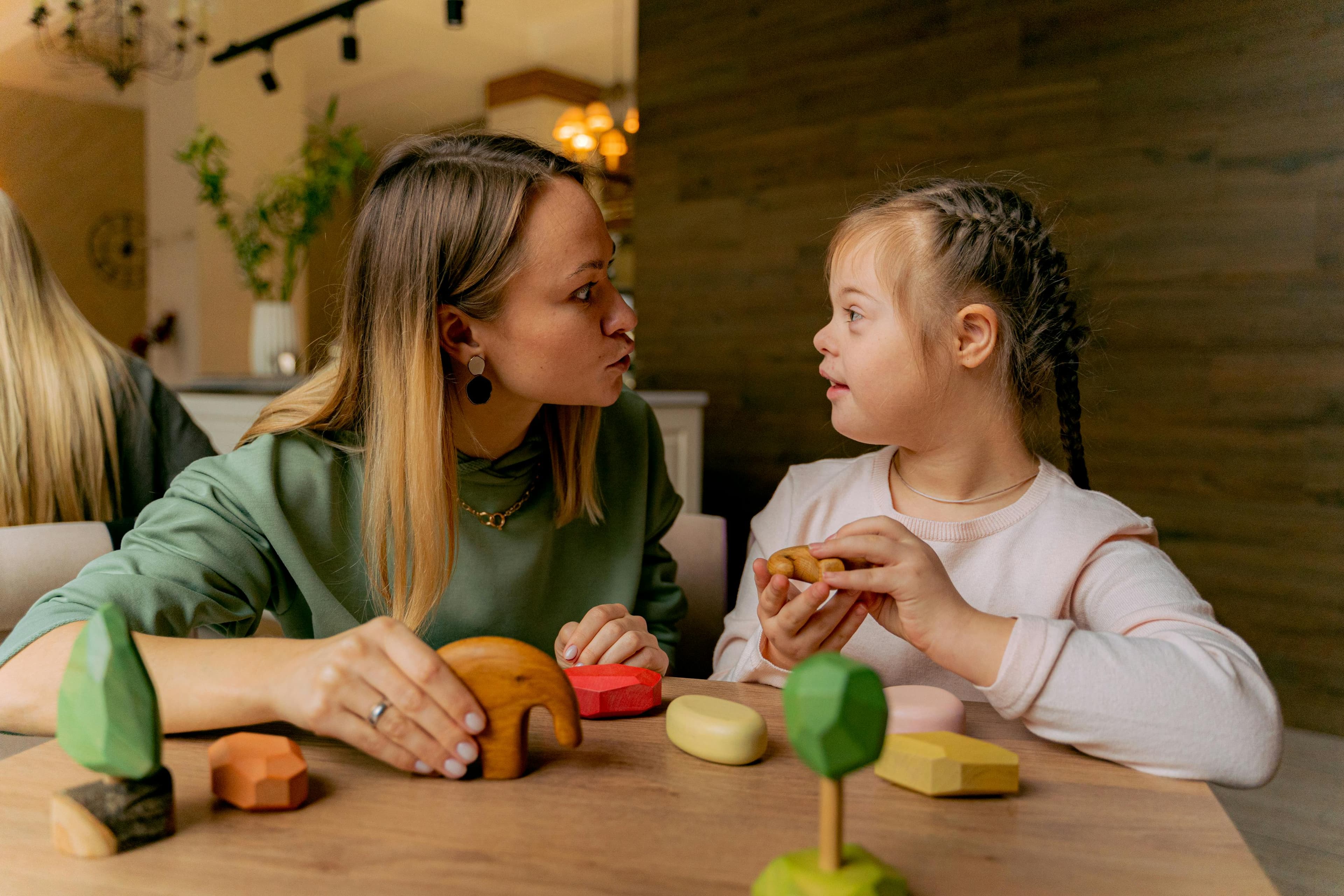
Imagine a classroom. Not the rigid rows and predictable lectures of yesteryear, but a vibrant, dynamic space. Students are engaged in different activities, some collaborating on a coding project, others delving into a data analysis challenge, still others exploring the ethical implications of AI. The teacher circulates, not as a lecturer, but as a facilitator, guiding each student on a journey uniquely designed for them. This is the promise of personalised learning.
The traditional "one-size-fits-all" approach to education is increasingly recognized as insufficient in meeting the diverse needs of today's learners. Students enter classrooms with varying levels of prior knowledge, different learning styles, unique interests, and distinct aspirations. A standardized curriculum, delivered at a uniform pace, often leaves some students behind while failing to challenge others. Personalised learning emerges as a powerful alternative, offering a transformative approach to education that empowers students to take ownership of their learning journey and reach their full potential.
What is Personalised Learning?
Personalised learning is not simply about providing students with different worksheets or allowing them to work at their own pace through a prescribed curriculum. It’s a holistic approach that considers the individual needs, interests, and aspirations of each student to create a customized learning experience. It involves:
Understanding the Learner: Recognizing and valuing the unique strengths, weaknesses, learning styles, and interests of each student. This requires building strong relationships with students, understanding their backgrounds, and assessing their individual needs.
Setting Clear Goals and Objectives: Collaboratively establishing specific, measurable, achievable, relevant, and time-bound (SMART) learning goals with each student. These goals should align with curriculum standards but be tailored to the student's individual needs and aspirations.
Providing Flexible Pathways: Offering a variety of learning resources, activities, and instructional strategies to cater to different learning styles and preferences. This might include online learning platforms, project-based learning, hands-on activities, collaborative projects, and individualized tutoring.
Empowering Student Choice: Giving students agency in choosing how they learn, what they learn, and how they demonstrate their understanding. This fosters intrinsic motivation and encourages students to take ownership of their learning.
Providing Ongoing Feedback and Support: Regularly monitoring student progress, providing timely and constructive feedback, and offering personalised support to help students overcome challenges and achieve their goals. This requires a shift from traditional grading to a more formative assessment approach.
Utilizing Technology Effectively: Leveraging technology to personalize learning experiences, provide access to a wider range of resources, track student progress, and facilitate communication between students, teachers, and parents.
The Benefits of Personalised Learning
The advantages of personalised learning are numerous and far-reaching, impacting students, teachers, and the educational system as a whole.
Increased Student Engagement: When students are actively involved in shaping their learning experiences and pursuing their interests, they become more engaged and motivated. This leads to increased attendance, improved academic performance, and a greater love of learning.
Improved Academic Outcomes: By tailoring instruction to individual needs, personalised learning helps students master concepts more effectively and achieve higher levels of academic success. Students are better able to grasp challenging topics when presented in a way that resonates with their learning style and prior knowledge.
Enhanced Critical Thinking and Problem-Solving Skills: Personalised learning often involves project-based learning, inquiry-based learning, and other activities that encourage students to think critically, solve problems creatively, and collaborate effectively.
Development of Self-Directed Learning Skills: By empowering students to take ownership of their learning, personalised learning fosters the development of self-directed learning skills, such as goal-setting, time management, and self-assessment. These skills are essential for success in college, career, and life.
Greater Equity and Access: Personalised learning can help close achievement gaps by providing targeted support to students who are struggling and challenging students who are excelling. It can also provide access to educational opportunities for students who may face barriers to traditional education, such as students with disabilities or students from underserved communities.
More Effective Use of Teacher Time: While personalised learning requires an initial investment of time and effort, it can ultimately lead to more efficient use of teacher time. By providing students with access to a wider range of resources and empowering them to take ownership of their learning, teachers can spend more time providing individualized support and guidance.
Preparation for the Future: In today's rapidly changing world, it is more important than ever for students to develop the skills and knowledge they need to succeed in college, career, and life. Personalised learning helps students develop these skills by fostering critical thinking, problem-solving, creativity, collaboration, and self-directed learning.
Implementing Personalised Learning in the Classroom: A Practical Guide
Implementing personalised learning is not a one-size-fits-all approach. It requires careful planning, ongoing assessment, and a willingness to adapt to the unique needs of each student. Here are some practical strategies for implementing personalised learning in the classroom:
Build Strong Relationships with Students: Take the time to get to know each student as an individual. Learn about their interests, strengths, weaknesses, learning styles, and aspirations.
Assess Student Needs Regularly: Use a variety of assessment methods to monitor student progress and identify areas where they may need additional support. This might include formative assessments, summative assessments, and student self-assessments.
Set Clear Goals and Objectives: Work with each student to establish specific, measurable, achievable, relevant, and time-bound (SMART) learning goals. These goals should align with curriculum standards but be tailored to the student's individual needs and aspirations.
Offer Flexible Pathways: Provide students with a variety of learning resources, activities, and instructional strategies to cater to different learning styles and preferences. This might include online learning platforms, project-based learning, hands-on activities, collaborative projects, and individualized tutoring.
Empower Student Choice: Give students agency in choosing how they learn, what they learn, and how they demonstrate their understanding. This fosters intrinsic motivation and encourages students to take ownership of their learning.
Provide Ongoing Feedback and Support: Regularly monitor student progress, provide timely and constructive feedback, and offer personalised support to help students overcome challenges and achieve their goals.
Utilize Technology Effectively: Leverage technology to personalize learning experiences, provide access to a wider range of resources, track student progress, and facilitate communication between students, teachers, and parents. Consider using learning management systems (LMS), adaptive learning platforms, and other digital tools.
Collaborate with Parents and Families: Keep parents and families informed about student progress and involve them in the learning process. This might include regular communication, parent-teacher conferences, and opportunities for parents to volunteer in the classroom.
Create a Supportive Learning Environment: Foster a classroom culture that is inclusive, respectful, and supportive. Encourage students to take risks, make mistakes, and learn from their experiences.
Embrace Iteration and Reflection: Personalised learning is an ongoing process of experimentation, reflection, and refinement. Be willing to adapt your approach based on student feedback and assessment data. Regularly reflect on your teaching practices and identify areas where you can improve.
Challenges and Considerations
While personalised learning offers significant benefits, it also presents some challenges that need to be addressed.
Increased Planning and Preparation Time: Personalised learning requires more planning and preparation time than traditional teaching methods. Teachers need to develop individualized learning plans, curate a variety of resources, and provide ongoing feedback and support.
Need for Professional Development: Teachers need professional development to learn how to effectively implement personalised learning strategies. This might include training on assessment, differentiation, technology integration, and student-centered instruction.
Access to Resources: Personalised learning requires access to a wide range of resources, including technology, online learning platforms, and individualized learning materials. Schools need to ensure that they have the resources necessary to support personalised learning initiatives.
Data Privacy and Security: When using technology to personalize learning, it is important to address data privacy and security concerns. Schools need to have policies and procedures in place to protect student data.
Equity and Access: Personalised learning should be accessible to all students, regardless of their background or circumstances. Schools need to ensure that all students have access to the resources and support they need to succeed.
Shifting Mindsets: Implementing personalised learning requires a shift in mindsets for both teachers and students. Teachers need to move away from a teacher-centered approach to a student-centered approach, and students need to take ownership of their learning.
The Future of Personalised Learning
Personalised learning is not just a trend; it's a fundamental shift in how we think about education. As technology continues to evolve and our understanding of learning deepens, personalised learning will become even more prevalent and sophisticated.
Artificial Intelligence (AI): AI has the potential to revolutionize personalised learning by providing adaptive learning platforms, intelligent tutoring systems, and personalised feedback. AI can also help teachers automate administrative tasks, freeing up more time for individualized instruction.
Learning Analytics: Learning analytics can provide teachers with valuable insights into student learning patterns, allowing them to identify areas where students are struggling and tailor instruction accordingly.
Virtual and Augmented Reality (VR/AR): VR and AR can create immersive learning experiences that engage students and make learning more meaningful. These technologies can also provide access to educational experiences that would otherwise be unavailable.
Blockchain Technology: Blockchain technology can be used to create secure and verifiable records of student learning, allowing students to demonstrate their skills and knowledge to potential employers.
Personalised learning is not just about technology; it's about creating a more humanistic and equitable education system that empowers all students to reach their full potential. By embracing personalised learning, we can create a future where every student has the opportunity to thrive.
Imagine again that classroom. The students are now the leaders, the teachers the guides. The curriculum is not a rigid path, but a flexible map. The goal is not just to pass a test, but to ignite a passion for learning that lasts a lifetime. This is the power of personalised learning. This is the future of education.